
Where we use it and where we do not
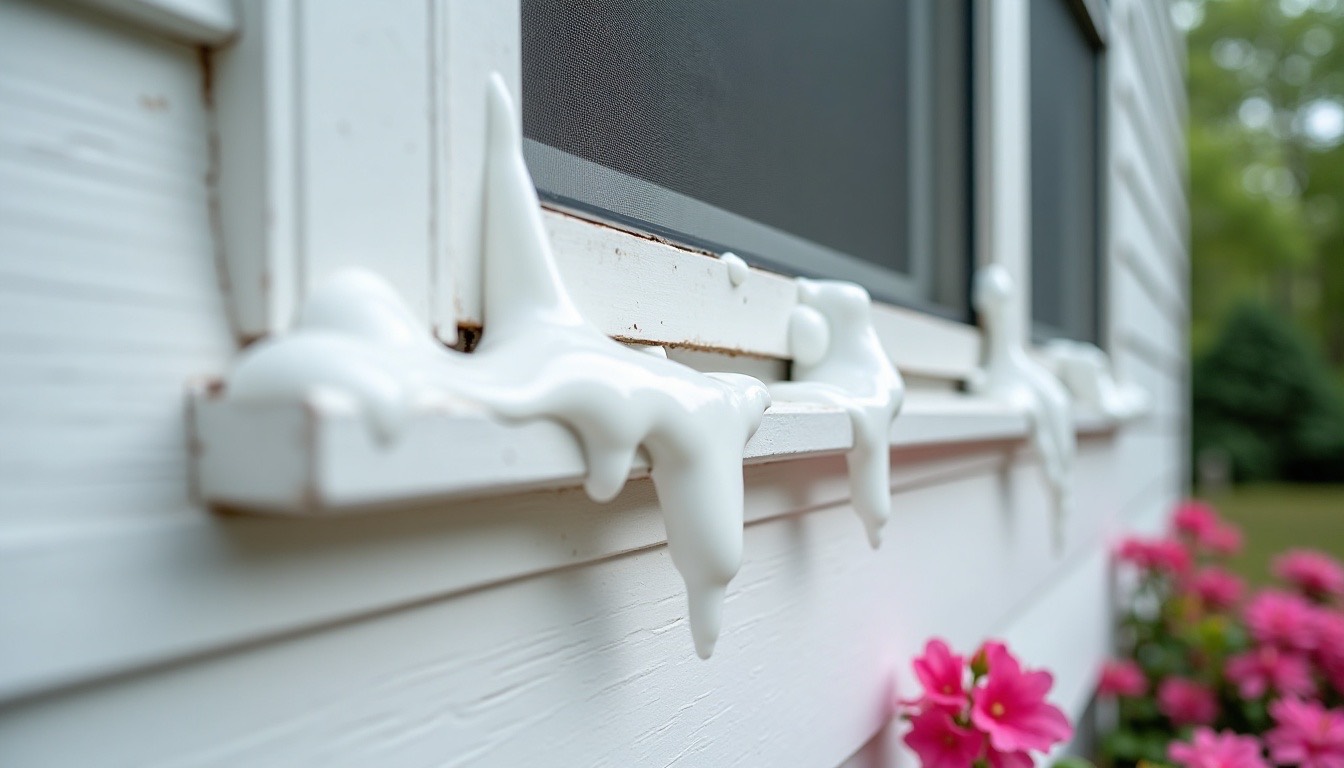
Soft wash: vinyl, Hardie board, painted wood lap siding, stucco, brick walls near paint or old mortar, asphalt and metal roofs, soffits, gutter faces, porch ceilings, screens, painted fences and the shaded side of anything. In other words, what a whole-house wash includes is soft washed start to finish.
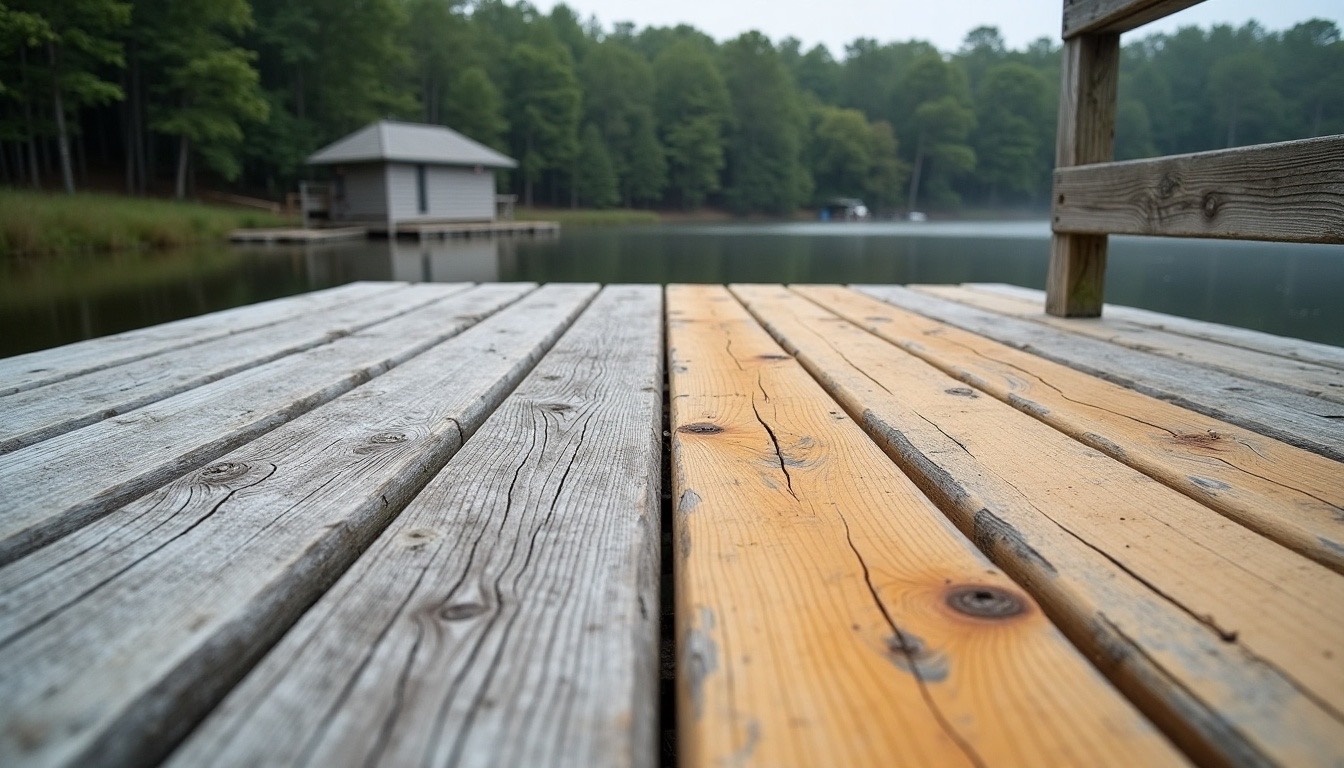
Pressure: concrete, pavers, stone, and bare pressure-treated wood that is about to be stained. Those surfaces can take it and sometimes need it. Even there we use a surface cleaner or a fan tip at a distance, not a zero-degree tip up close. The call is made surface by surface during the walk-around, not by what the truck happens to have on it.
A common Tuscaloosa house has both on the same lot: an older brick two-story near campus with painted wood trim and a beadboard porch ceiling that all need the soft wash, and a concrete driveway stained with red clay that needs the pressure. We bring both and switch between them, and the quote lists which surface gets which.
The mix and the rinse
The solution is a diluted sodium hypochlorite mix with a surfactant that helps it cling to a vertical wall instead of running straight off. The strength changes with the surface: lighter for painted wood and screens, stronger for the black streaks on a shingle roof. It goes on bottom to top so it does not run down over dry siding and leave clean streaks, then sits for several minutes while the algae dies. Then a long low-pressure rinse top to bottom, with extra time on the brick joints and under the soffits where the solution hides.
The dwell time matters more than the strength. A weaker mix left to work beats a strong one rinsed too soon, and it is easier on the paint, the plants and the gutters.
Rinse water volume is the other half. A soft wash uses more water than people expect, because the point of the rinse is to dilute what is left on the wall and in the beds until it is harmless. We run the rinse until the wall sheets clear and the runoff at the foundation runs clean, and on brick we go back over the joints a second time because mortar holds solution the way a sponge does.
Plants, pets and runoff
The same thing that kills algae will burn a hydrangea leaf if it sits there. So the plant beds get soaked with plain water before we start, we keep the solution off them as much as the wall allows, and they get rinsed again the minute the wash is done. Lawn along the foundation gets the same treatment. Pets stay inside until the final rinse. Koi ponds and vegetable beds get covered.
Runoff from a diluted house wash is mostly water by the time it reaches the ground, and we rinse enough that it does not pool. On surfaces near a storm drain we are more careful. Shaded, damp walls grow mold and algae because moisture never leaves them, which is the same reason the EPA says mold keeps coming back indoors when the moisture source is not fixed: the cleaner removes the growth, but the shade and humidity stay.
Related
House Washing
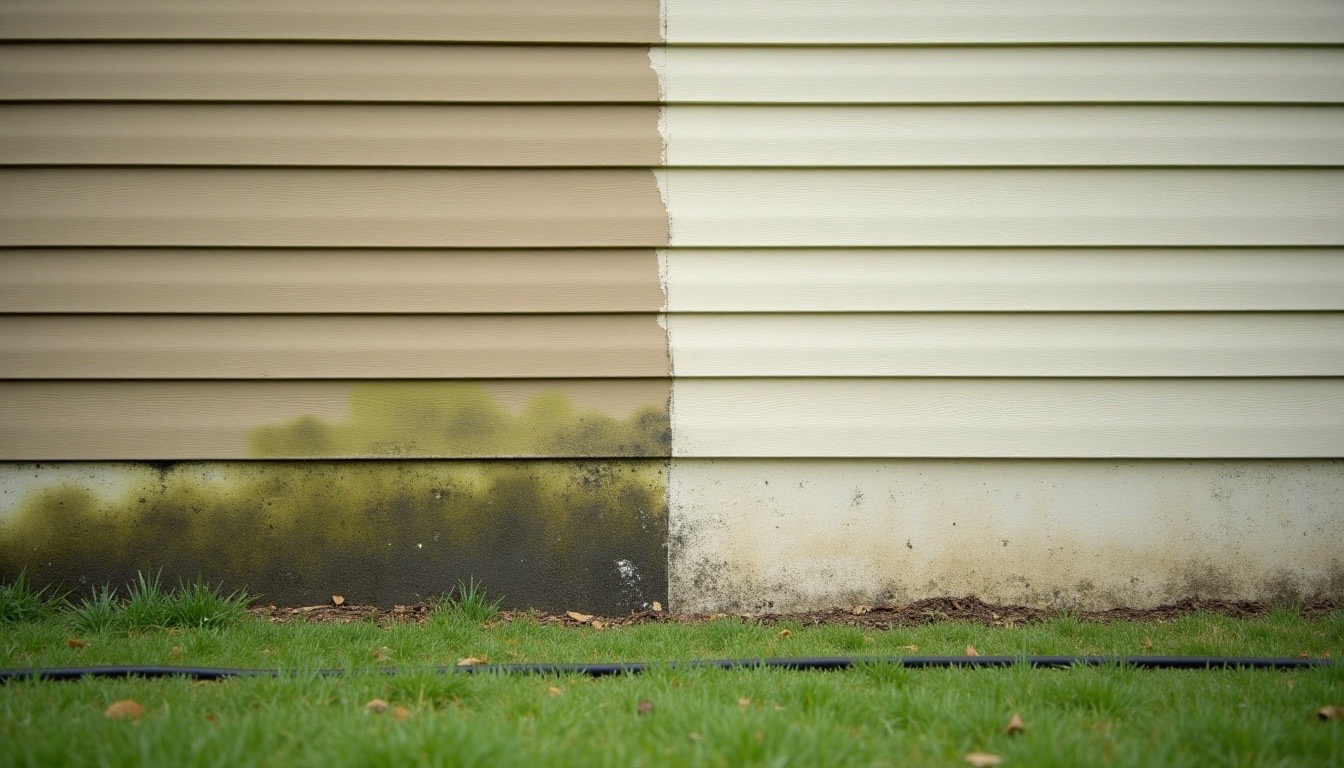
Low-pressure soft wash that lifts algae, mildew and pollen film and keeps water out of the wall.
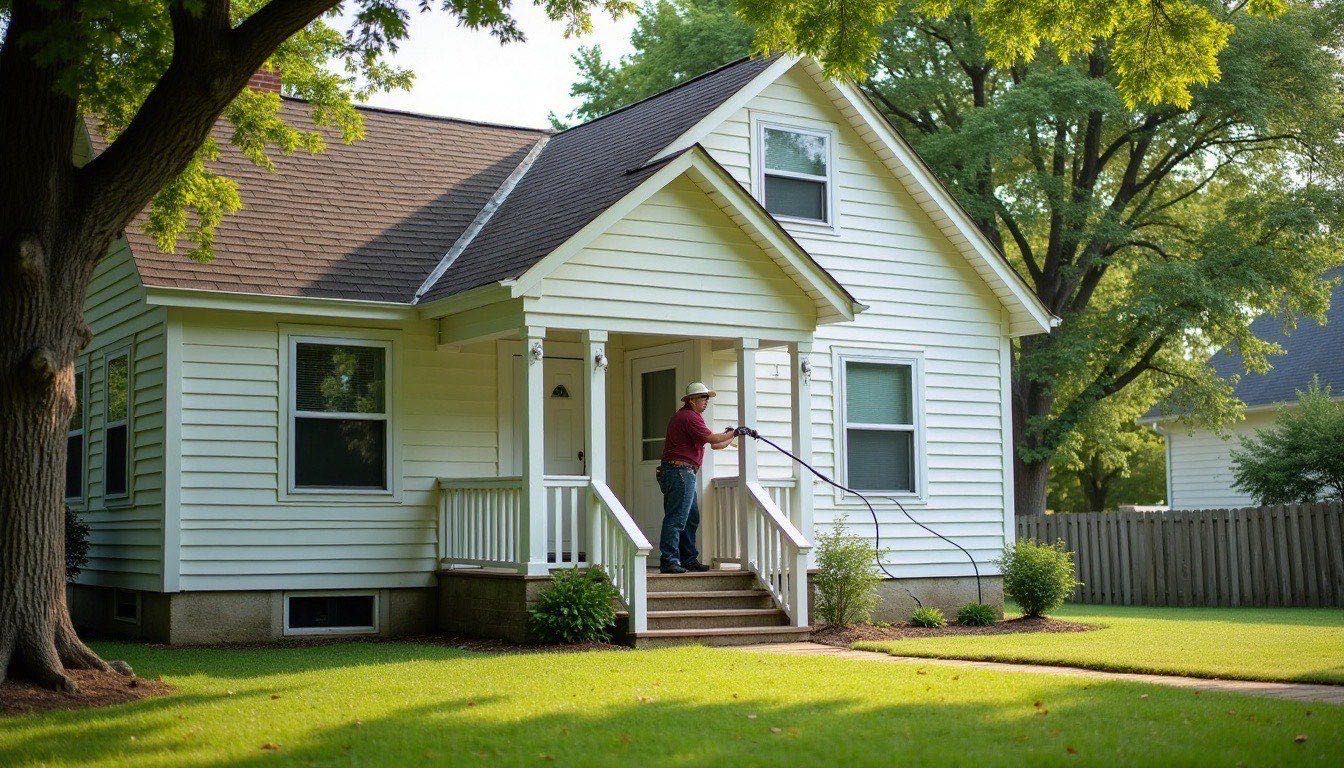
House Washing in Holt
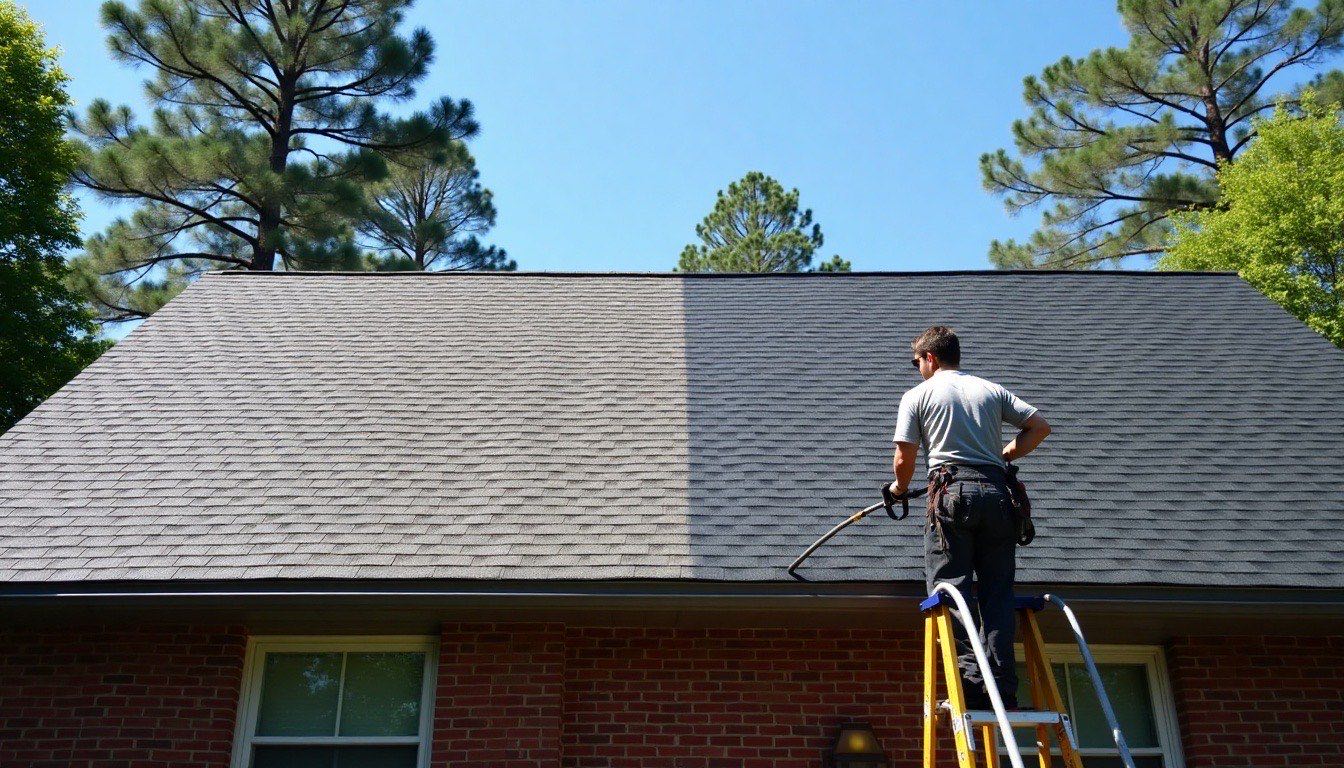
Mildewed north walls, pine straw in the gutters and older homes cleaned gently.
Questions we get
Is soft washing just a gentle pressure wash?
No. The pressure is near a garden hose. The cleaning comes from the solution and the time it sits, not from force. A pressure washer turned down low is still a pressure washer, and a wand that gets too close still does the same damage.
Will soft washing take off the red clay on the foundation?
Most of it. Clay on brick or vinyl near the ground gets a pretreatment and a longer rinse, and the stubborn band at the bottom sometimes needs a brush. We say so in the walk-around if it will not come all the way out.
Does the bleach smell linger?
The mix is diluted and rinsed thoroughly. There is a faint pool smell for an hour or two on a still day, then it is gone.
Can you soft wash a painted house?
Yes, and it is the only way we would wash one. Pressure lifts paint. A soft wash takes off the mildew and leaves the paint.
What about stucco and EIFS?
Both are soft washed. Pressure on EIFS can drive water into the foam and cause damage you cannot see for months.